
Chimney Caps in Downey That Stop Wind Pushing Smoke Down
What Have You Noticed?
Smoke, odor, a weak flame or a fault code: tell us what led you to chimney cap installation and we reply to set up a visit
What the Job Involves
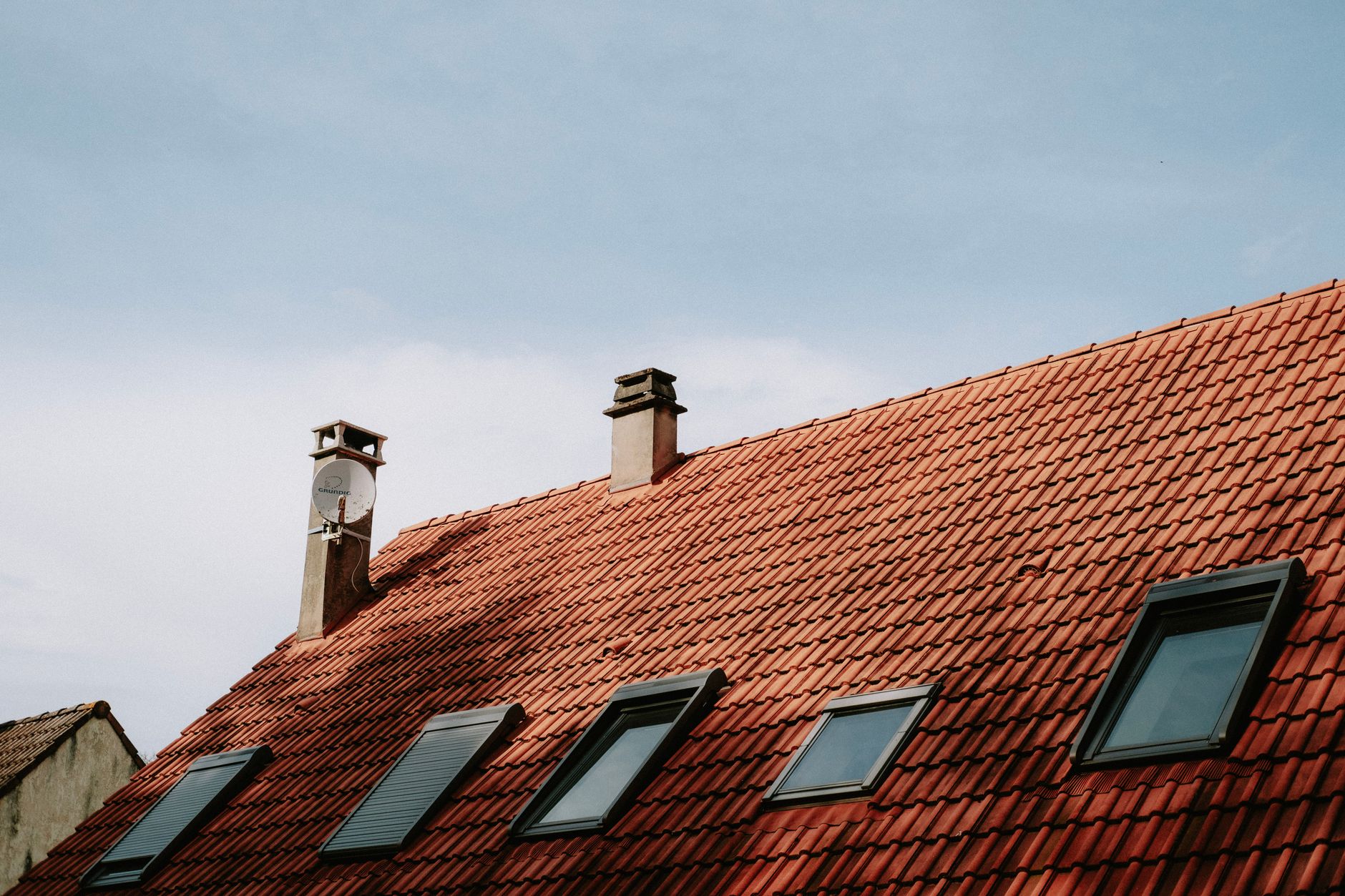
A bare flue lets rain soak the smoke chamber and lets gusts shove smoke back down. The right cap keeps out water and animals and, on a windy roofline, cuts downdraft. The cap is priced after we measure. The metal you choose and the number of flues it must cover decide the figure. A single flue with a simple stainless cap is the simplest job; wide tops, multiple flues and wind-directional models cost more. Every cap carries a spark screen.
A Cap Can Help Draft or Hurt It
Rain is the reason most caps get bought, but on a smoky chimney the cap earns its place for another reason. Wind crossing an open flue on a gusty day can tip over the column of rising smoke and force part of it back down into the room. A cap with a solid lid and mesh sides breaks the gust before it reaches the opening. The mesh also keeps out the birds and squirrels whose nests are a common cause of a fireplace that suddenly refuses to draw, and it catches embers, which matters in a county where Santa Ana season and wildfire overlap. The catch is size. A lid set too low over the flue, or mesh so fine that it mats over with soot, shrinks the outlet and makes a smoke problem worse. We set the lid high enough that the open area around the sides is at least equal to the flue itself, with mesh coarse enough to stay clear.
A fitted cap is quoted after we measure. The chimney top sets the price. A single clay flue of a standard size takes a ready-made cap that bolts on. A top carrying a furnace vent beside the fireplace flue needs a wider cap that covers both openings and the masonry between them. A house where wind is the whole trouble may call for a directional cap with a shielded side, or one that turns with the breeze. We measure first, tell you which type suits your draft problem and give you the price before anything is fitted. One more thing gets looked at while we are up there: the concrete top the cap sits on. A cap fastened to broken masonry is money half spent, so the condition of that top goes into the visit note along with the cap.
Nests, Santa Anas and Low Ranch Roofs
Birds bring us out more than anything else in spring. An uncapped flue is a sheltered shaft, and pigeons, sparrows and the odd squirrel move in while the fireplace sits cold through the warm months. The first fire of autumn then smokes badly or will not take at all, and the smell of scorched twigs fills the house. A cap prevents that from happening again. Clearing a nest that is already in place is part of a sweep, and we look for droppings and debris on the smoke shelf at the same time, since both block the draft lower down. If a nest is active when we arrive, we tell you what we see before we touch it. Once the flue is clear and the cap is on, the fireplace should light the way it did before the birds found it.
In autumn the Santa Ana winds come down from the north and east, and a chimney that draws fine on a still night can puff smoke into the room when they blow. Across Downey, Pico Rivera and La Mirada, low single-storey roofs leave many chimneys standing only a few feet above the shingles, right in the path of every gust. A cap is the simplest change that helps with that, and for many houses it is enough. If it does not stop the downdraft, the next step is added height or a different style of cap, covered on the fireplace repair page. Either way, the visit ends with a note of the cap fitted, the size of flue it serves and what we saw on the chimney top, so you have a record for the next time someone works on the roof.
How Tobin Chimney Pros Handles It
Symptom First
We start from what you have noticed
Draft Tested
Smoke match and CO reading at the opening
Priced in Writing
Listed prices, or a written quote before work
Retested
Fire or burner run once the fix is in
Chimney Cap Installation: city pages
Downey, Pico Rivera, Lakewood and La Mirada each get a page for this work, with notes on local homes and the draft trouble they tend to have.
CA
Downey: Chimney Cap Installation
If smoke rolls into the room instead of up the flue, the age of the house is the first clue: 83% of Downey homes predate 1980. We measure the damper, flue and firebox opening against each other before suggesting any repair.
Open the city pageCA
Pico Rivera: Chimney Cap Installation
Puffs of smoke at lighting can come from a warped damper, an undersized flue or soot buildup. Since 86% of local homes went up before 1980, we test all three in these brick tract fireplaces.
Open the city pageCA
Lakewood: Chimney Cap Installation
Weingart, Boyar and Taper built these streets nearly all at once, so neighboring chimneys share an age and often a design. Where a model got a fireplace, we look first at whether its brick or block flue still pulls hard enough for the firebox.
Open the city pageCA
La Mirada: Chimney Cap Installation
Only 3% of homes here predate 1950, so a typical fireplace is postwar brick, and later houses add factory-built units. The two draw differently: masonry needs a sealing damper and clean flue, while a metal unit depends on its exact pipe and cap.
Open the city pageMore Services
Chimney Sweep
Soot, creosote and blockages cleared so a lazy, smoky fire starts pulling up the flue again.
Read more →Chimney Inspection
An NFPA 211 inspection at the level your situation calls for, aimed at what makes smoke or fumes go the wrong way.
Read more →Chimney Repair
Cracked tiles, open joints, worn crowns and loose caps repaired where they spoil the draft or let fumes slip out.
Read more →Fireplace Inspection
The firebox, damper, throat and hearth checked for the faults that push smoke back into the living room.
Read more →Fireplace Repair
Fixes for fireplaces that smoke, smell or refuse to draw, from dampers and firebrick to smoke guards and throat work.
Read more →Chimney Level 2 Inspection
A recorded camera scan of the whole flue plus the roof, attic and chase, for sales and for draft problems with no clear cause.
Read more →Chimney Flashing Repair
Water stains and musty fireplace smells traced to the roof seal and repaired with new step and counter pieces.
Read more →Chimney Masonry Repair
Open mortar joints, spalled faces and loose brick fixed before water and cold air reach the flue.
Read more →Chimney Rebuilds
Rebuilding the part of a stack that patching cannot save, sized so the new flue draws properly.
Read more →Fireplace Cleaning
Ash, soot and old smell lifted from the firebox, doors and face, then the bare surfaces looked over for damage.
Read more →Gas Fireplace Cleaning
Yearly gas service that clears soot, dust and blockages so the flame burns blue and the fumes go outside.
Read more →Gas Fireplace Repair
Pilot, ignition, valve and venting faults found by testing, including units that smell or set off a CO alarm.
Read more →Fireplace Remodel
New faces, mantels and conversions planned around a fireplace that already draws well, or fixed so it will.
Read more →Fireplace Inserts
Sealed inserts with their own liner, for open fireplaces that smoke, waste heat or let drafts into the room.
Read more →Pellet Stove Repair
Pellet stoves that smoke at startup, smell of exhaust or shut down mid-burn, traced to the part at fault.
Read more →Wood Stove Repair
Leaky door seals, failed baffles and loose stovepipe fixed so the stove burns hot and keeps its smoke inside.
Read more →Gas Logs
Vented or vent-free log sets chosen to suit the firebox, the flue and how much odor the household will tolerate.
Read more →Chimney Seismic Retrofit
Brick stacks braced or partly rebuilt so the next strong quake is less likely to crack the flue or drop brick.
Read more →Chimney Crown Repair
Cracked or flat crowns sealed or recast so rain stops soaking the stack and dripping into the firebox.
Read more →Dryer Vent Cleaning
Lint packed in the duct cleared so towels dry in one cycle and hot, damp air stops backing up into the laundry room.
Read more →Chimney Liner Installation
New stainless or cast liners for flues that are cracked, unlined or the wrong size for the fireplace or stove below.
Read more →Chimney Leak Repair
Drips, ceiling stains and damp fireplace smells traced to a single source, then fixed and checked after the next rain.
Read more →Chimney Waterproofing
Vapor-permeable repellent on sound brick, so the stack sheds rain but can still dry out between storms.
Read more →Chimney Damper Repair
Stuck, warped or rusted dampers repaired or replaced, so the fireplace opens fully for a fire and seals when cold.
Read more →Chimney Chase Cover
Rusted or flat chase tops on factory-built fireplaces replaced with stainless covers that shed water off the framing.
Read more →