
Chimney Seismic Retrofit in Downey Before the Next Shake
What Have You Noticed?
Smoke, odor, a weak flame or a fault code: tell us what led you to chimney seismic retrofit and we reply to set up a visit
What the Job Involves
A quake can crack a flue without leaving marks you can see from the yard, and the first sign may be smoke in the attic. Older brick stacks in Southern California often have little or no steel. We check the stack and flue with a camera, then lay out options in plain words: bracing at the roof, a lighter metal top, or a rebuild. Each option is quoted in writing.
Why Brick Chimneys Break Where They Do
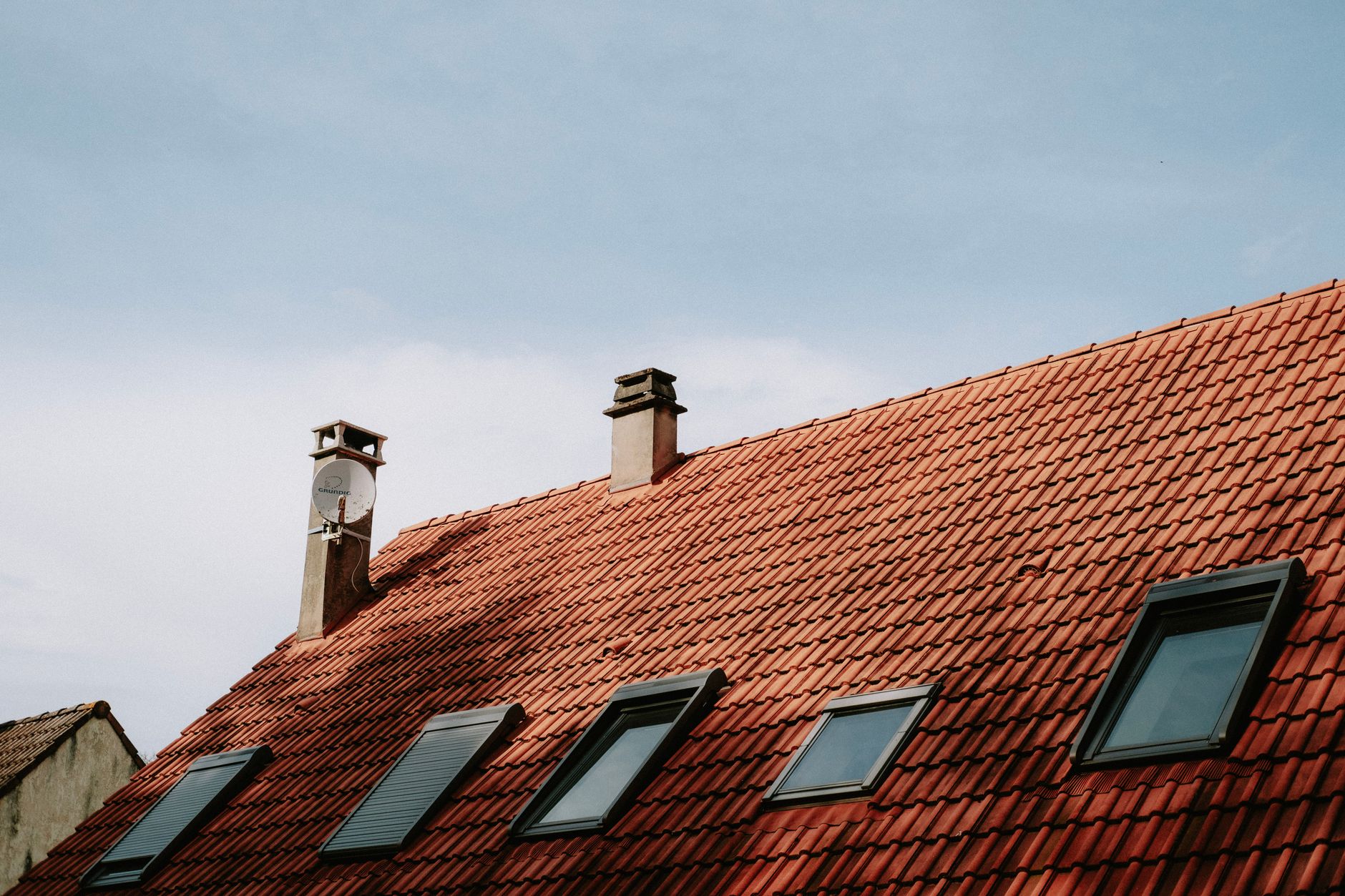
In a quake, timber framing bends and gives; brick does neither. The stack is attached at only a few points along its height, and above the roof it stands free with nothing holding it at all. The joint between the two takes the strain, which is why so many chimneys in the 1994 quake snapped at or just above the roof and dropped brick onto shingles, cars and side yards. Below the roof, cracks open where the chimney passes floors and ceilings, and those hidden cracks matter for the fireplace too. A flue that has shifted inside the brick can let smoke and gas into the framing, so a chimney that came through a quake looking fine from the street may no longer draw or seal the way it did. Retrofit work deals with both risks: the falling brick and the broken flue.
The work falls into a few general approaches, and which one suits a house depends on the condition of the brick and on how the fireplace will be used. Where the masonry is sound, the chimney can be braced: steel members run from the upper stack to the roof structure so the free-standing part cannot whip, and anchors secure the chimney to the house at each level it passes. Where the top section is weak or already cracked, it can be rebuilt with reinforcing steel inside it, or replaced with a much lighter section, such as a framed enclosure around a metal flue. Where the fireplace sits unused, removing the brick above the roof takes the heaviest, most exposed part away altogether, and the room can keep a gas unit vented another way. Each approach is described in plain terms at the visit, with what it would mean for your fireplace.
The Visit, the Findings and the Written Scope
A retrofit visit looks at the chimney from three places. On the roof we check the stack for cracks, loose courses, lean, and the state of its top and mortar. From the attic we look for old cracks in the brick and see what structure is there to brace against. Inside, we look at the firebox and, if there is any doubt about the flue, send a camera up it, because bracing a chimney with a broken flue leaves you with a fireplace that is braced but still unsafe to light. From all of that we tell you which approaches fit your chimney, which do not, and why. Some chimneys are good candidates for bracing alone; others have brick too far gone to hold a brace, and there the honest answer is a rebuilt or lightened top.
The written scope sets out each suitable option with its price, what it changes about the fireplace, and how much of the roof has to be opened. A brace on a sound chimney is the smallest job. A rebuilt or lightened top section is larger, and it often combines with work the chimney already needed, such as a new crown, a liner or flashing. The scope describes the work clearly enough to show anyone else who needs to see it. Owners in Downey, Lakewood and Pico Rivera who already have a reroof planned can line the two jobs up so the roof around the chimney is opened only once. If the chimney is already cracked through or leaning after a recent shake, keep people away from the side it would fall toward and leave the fireplace cold until it has been looked at.
How Tobin Chimney Pros Handles It
Symptom First
We start from what you have noticed
Draft Tested
Smoke match and CO reading at the opening
Priced in Writing
Listed prices, or a written quote before work
Retested
Fire or burner run once the fix is in
Chimney Seismic Retrofit: city pages
Downey, Pico Rivera, Lakewood and La Mirada each get a page for this work, with notes on local homes and the draft trouble they tend to have.
Nothing on our list by that name. Check the spelling, or try the next city over.
More Services
Chimney Sweep
Soot, creosote and blockages cleared so a lazy, smoky fire starts pulling up the flue again.
Read more →Chimney Inspection
An NFPA 211 inspection at the level your situation calls for, aimed at what makes smoke or fumes go the wrong way.
Read more →Chimney Repair
Cracked tiles, open joints, worn crowns and loose caps repaired where they spoil the draft or let fumes slip out.
Read more →Fireplace Inspection
The firebox, damper, throat and hearth checked for the faults that push smoke back into the living room.
Read more →Fireplace Repair
Fixes for fireplaces that smoke, smell or refuse to draw, from dampers and firebrick to smoke guards and throat work.
Read more →Chimney Level 2 Inspection
A recorded camera scan of the whole flue plus the roof, attic and chase, for sales and for draft problems with no clear cause.
Read more →Chimney Cap Installation
Caps that stop rain, birds and downdrafts, picked for the wind on your roof as well as the size of the flue.
Read more →Chimney Flashing Repair
Water stains and musty fireplace smells traced to the roof seal and repaired with new step and counter pieces.
Read more →Chimney Masonry Repair
Open mortar joints, spalled faces and loose brick fixed before water and cold air reach the flue.
Read more →Chimney Rebuilds
Rebuilding the part of a stack that patching cannot save, sized so the new flue draws properly.
Read more →Fireplace Cleaning
Ash, soot and old smell lifted from the firebox, doors and face, then the bare surfaces looked over for damage.
Read more →Gas Fireplace Cleaning
Yearly gas service that clears soot, dust and blockages so the flame burns blue and the fumes go outside.
Read more →Gas Fireplace Repair
Pilot, ignition, valve and venting faults found by testing, including units that smell or set off a CO alarm.
Read more →Fireplace Remodel
New faces, mantels and conversions planned around a fireplace that already draws well, or fixed so it will.
Read more →Fireplace Inserts
Sealed inserts with their own liner, for open fireplaces that smoke, waste heat or let drafts into the room.
Read more →Pellet Stove Repair
Pellet stoves that smoke at startup, smell of exhaust or shut down mid-burn, traced to the part at fault.
Read more →Wood Stove Repair
Leaky door seals, failed baffles and loose stovepipe fixed so the stove burns hot and keeps its smoke inside.
Read more →Gas Logs
Vented or vent-free log sets chosen to suit the firebox, the flue and how much odor the household will tolerate.
Read more →Chimney Crown Repair
Cracked or flat crowns sealed or recast so rain stops soaking the stack and dripping into the firebox.
Read more →Dryer Vent Cleaning
Lint packed in the duct cleared so towels dry in one cycle and hot, damp air stops backing up into the laundry room.
Read more →Chimney Liner Installation
New stainless or cast liners for flues that are cracked, unlined or the wrong size for the fireplace or stove below.
Read more →Chimney Leak Repair
Drips, ceiling stains and damp fireplace smells traced to a single source, then fixed and checked after the next rain.
Read more →Chimney Waterproofing
Vapor-permeable repellent on sound brick, so the stack sheds rain but can still dry out between storms.
Read more →Chimney Damper Repair
Stuck, warped or rusted dampers repaired or replaced, so the fireplace opens fully for a fire and seals when cold.
Read more →Chimney Chase Cover
Rusted or flat chase tops on factory-built fireplaces replaced with stainless covers that shed water off the framing.
Read more →