
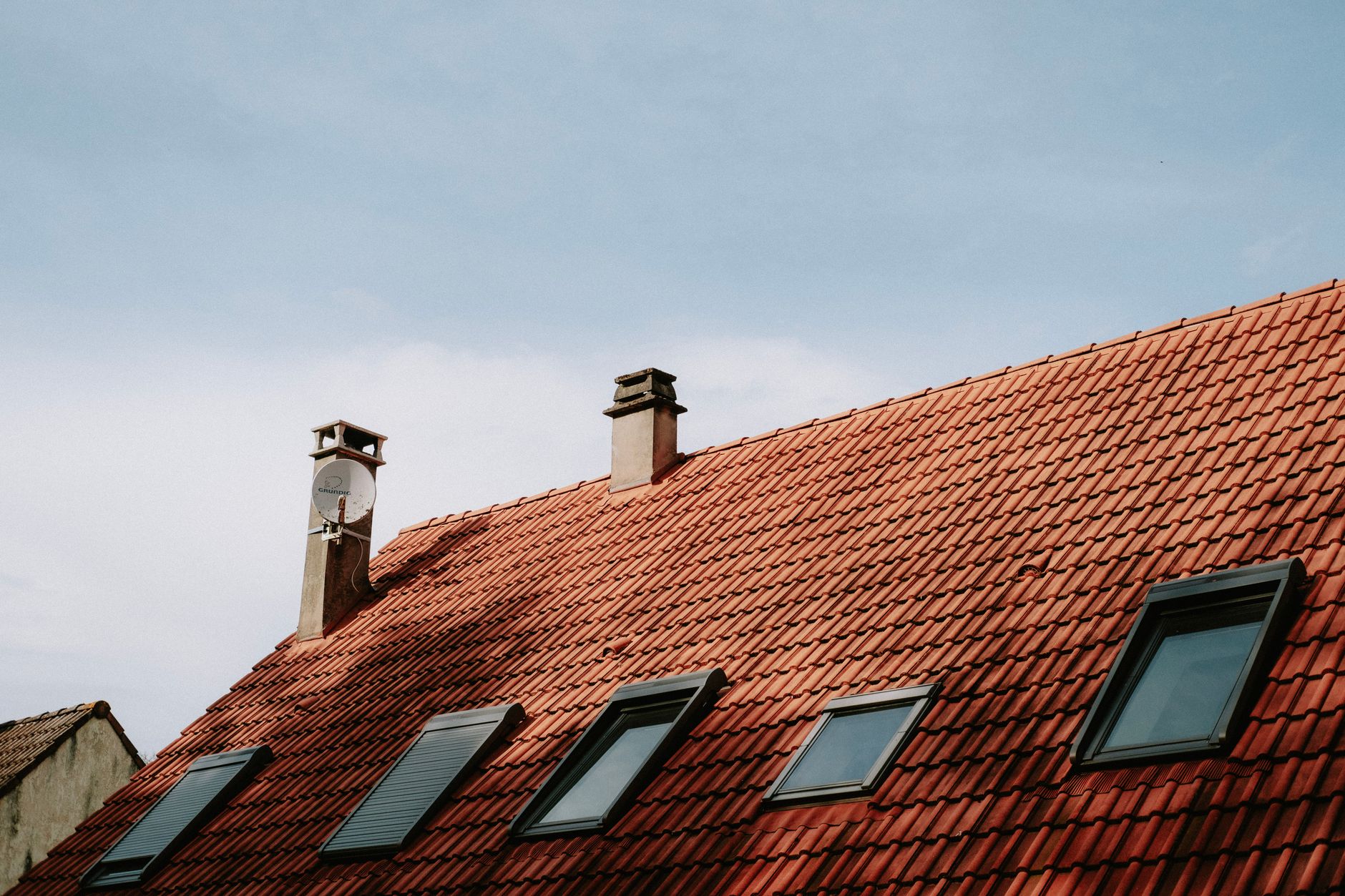
Level 2 Chimney Inspection in Downey, Flue Filmed End to End
What Have You Noticed?
Smoke, odor, a weak flame or a fault code: tell us what led you to chimney level 2 inspection and we reply to set up a visit
What the Job Involves
NFPA 211 asks for a Level 2 when a home is sold, after a chimney fire or a strong quake, and when the fuel or appliance changes. It is also the visit that explains a smoke problem nobody can trace. The camera follows the flue from the damper to the top, showing offsets, cracked tiles and blockages. The cost is $405, and the video and written findings come to you.
What the Camera Finds That Eyes Miss
Most of what makes a chimney smoke, or leak gas into a house, happens where nobody can see it. A clay flue is built in short sections joined with mortar, and a gap the width of a finger between two of them is enough to let hot gas and creosote into the brick around it. Looking up from the hearth shows a few feet; looking down from the roof shows a few more. The camera covers everything in between. It travels up on a bendable cable with its own lamp and records the joints, the faces of the tiles, any bend where the flue jogs sideways, and the smoke chamber above the damper, where rough brick slows the gas down. For a fireplace that started smoking with no obvious reason, the footage often shows it: a fallen tile partly blocking the passage, a ledge of creosote at a bend, or a section knocked out of line by a quake.
The visit costs $405 and includes everything a Level 1 covers. Inside the house we follow the chimney through the spaces people rarely visit, up past the ceiling joists and down below the floor where the house sits on a raised foundation, looking for scorched wood or framing pressed hard against the brick. NFPA 211 calls for this depth in three situations: a sale, a change to how the chimney is used, such as moving from wood to gas or adding an insert or stove, and damage from a chimney fire, a strong quake or a storm. A Level 1 that leaves a question open is a fourth good reason. For homeowners chasing a smoke problem, it is the next step once a sweep and a visual check have not found the cause, because the answer is usually somewhere in the middle of the flue.
A Report Buyers, Sellers and Agents Can Read
In a sale the report has several readers, and only one of them hired us. We write it so a buyer, a seller and both agents can follow it without a glossary. Each finding carries a picture or a still from the camera, a line on what it is, and a line on what it means: fine to use, fix before the next fire, or plan for later. Repair prices stay off the report and arrive as a separate quote, so a finding is never mistaken for a sales pitch and a buyer cannot read an estimate as a defect list. When something is truly unsafe, such as a cracked flue next to framing, it is named at the start in plain words. A chimney in good shape gets a report that says so in the same plain words, which is often the most useful line in an escrow file.
Sellers in Downey and Lakewood often book before listing, so any chimney question is answered before a buyer's inspector raises it. Listing agents can see how we work with them on the page written for real estate agents, and buyers can use the home sale page to read a report they did not order. The report is written for the person who will live with the chimney, not only for the transaction, so it also notes what a new owner should expect from the fireplace: whether it draws well, whether the damper seals, and when the next sweep is due. If the camera finds nothing and the fireplace still smokes, the report says where the cause most likely lies, so the next visit is a repair and not another search. That one line can save a second inspection fee.
How Tobin Chimney Pros Handles It
Symptom First
We start from what you have noticed
Draft Tested
Smoke match and CO reading at the opening
Priced in Writing
Listed prices, or a written quote before work
Retested
Fire or burner run once the fix is in
Chimney Level 2 Inspection: city pages
Downey, Pico Rivera, Lakewood and La Mirada each get a page for this work, with notes on local homes and the draft trouble they tend to have.
CA
Downey: Chimney Level 2 Inspection
If smoke rolls into the room instead of up the flue, the age of the house is the first clue: 83% of Downey homes predate 1980. We measure the damper, flue and firebox opening against each other before suggesting any repair.
Open the city pageCA
Pico Rivera: Chimney Level 2 Inspection
Puffs of smoke at lighting can come from a warped damper, an undersized flue or soot buildup. Since 86% of local homes went up before 1980, we test all three in these brick tract fireplaces.
Open the city pageCA
Lakewood: Chimney Level 2 Inspection
Weingart, Boyar and Taper built these streets nearly all at once, so neighboring chimneys share an age and often a design. Where a model got a fireplace, we look first at whether its brick or block flue still pulls hard enough for the firebox.
Open the city pageCA
La Mirada: Chimney Level 2 Inspection
Only 3% of homes here predate 1950, so a typical fireplace is postwar brick, and later houses add factory-built units. The two draw differently: masonry needs a sealing damper and clean flue, while a metal unit depends on its exact pipe and cap.
Open the city pageMore Services
Chimney Sweep
Soot, creosote and blockages cleared so a lazy, smoky fire starts pulling up the flue again.
Read more →Chimney Inspection
An NFPA 211 inspection at the level your situation calls for, aimed at what makes smoke or fumes go the wrong way.
Read more →Chimney Repair
Cracked tiles, open joints, worn crowns and loose caps repaired where they spoil the draft or let fumes slip out.
Read more →Fireplace Inspection
The firebox, damper, throat and hearth checked for the faults that push smoke back into the living room.
Read more →Fireplace Repair
Fixes for fireplaces that smoke, smell or refuse to draw, from dampers and firebrick to smoke guards and throat work.
Read more →Chimney Cap Installation
Caps that stop rain, birds and downdrafts, picked for the wind on your roof as well as the size of the flue.
Read more →Chimney Flashing Repair
Water stains and musty fireplace smells traced to the roof seal and repaired with new step and counter pieces.
Read more →Chimney Masonry Repair
Open mortar joints, spalled faces and loose brick fixed before water and cold air reach the flue.
Read more →Chimney Rebuilds
Rebuilding the part of a stack that patching cannot save, sized so the new flue draws properly.
Read more →Fireplace Cleaning
Ash, soot and old smell lifted from the firebox, doors and face, then the bare surfaces looked over for damage.
Read more →Gas Fireplace Cleaning
Yearly gas service that clears soot, dust and blockages so the flame burns blue and the fumes go outside.
Read more →Gas Fireplace Repair
Pilot, ignition, valve and venting faults found by testing, including units that smell or set off a CO alarm.
Read more →Fireplace Remodel
New faces, mantels and conversions planned around a fireplace that already draws well, or fixed so it will.
Read more →Fireplace Inserts
Sealed inserts with their own liner, for open fireplaces that smoke, waste heat or let drafts into the room.
Read more →Pellet Stove Repair
Pellet stoves that smoke at startup, smell of exhaust or shut down mid-burn, traced to the part at fault.
Read more →Wood Stove Repair
Leaky door seals, failed baffles and loose stovepipe fixed so the stove burns hot and keeps its smoke inside.
Read more →Gas Logs
Vented or vent-free log sets chosen to suit the firebox, the flue and how much odor the household will tolerate.
Read more →Chimney Seismic Retrofit
Brick stacks braced or partly rebuilt so the next strong quake is less likely to crack the flue or drop brick.
Read more →Chimney Crown Repair
Cracked or flat crowns sealed or recast so rain stops soaking the stack and dripping into the firebox.
Read more →Dryer Vent Cleaning
Lint packed in the duct cleared so towels dry in one cycle and hot, damp air stops backing up into the laundry room.
Read more →Chimney Liner Installation
New stainless or cast liners for flues that are cracked, unlined or the wrong size for the fireplace or stove below.
Read more →Chimney Leak Repair
Drips, ceiling stains and damp fireplace smells traced to a single source, then fixed and checked after the next rain.
Read more →Chimney Waterproofing
Vapor-permeable repellent on sound brick, so the stack sheds rain but can still dry out between storms.
Read more →Chimney Damper Repair
Stuck, warped or rusted dampers repaired or replaced, so the fireplace opens fully for a fire and seals when cold.
Read more →Chimney Chase Cover
Rusted or flat chase tops on factory-built fireplaces replaced with stainless covers that shed water off the framing.
Read more →Selling, listing, managing or repairing a fireplace that smokes
Pick the page that matches your part in it. Each one says what Tobin Chimney Pros checks, who gets the paperwork afterward and, where this site publishes a price, what the work costs.
Reading a home sale chimney report
A sample Level 2 report from a Downey sale, read page by page, with what each photo and label means for buyer and seller.
For listing agents
Pre-listing chimney inspections for agents in Downey and nearby cities, timed to the listing so a smoky fireplace does not reopen the price later.
HOA boards and property managers
Fireplace inspections for HOA boards and managers in Downey: common-area units, shared stacks and a record the board can file, priced per fireplace.
Staged chimney repairs
A failed Level 2 split into stages: what must be fixed before the next fire, what can wait, and the price of each where this site has one.