
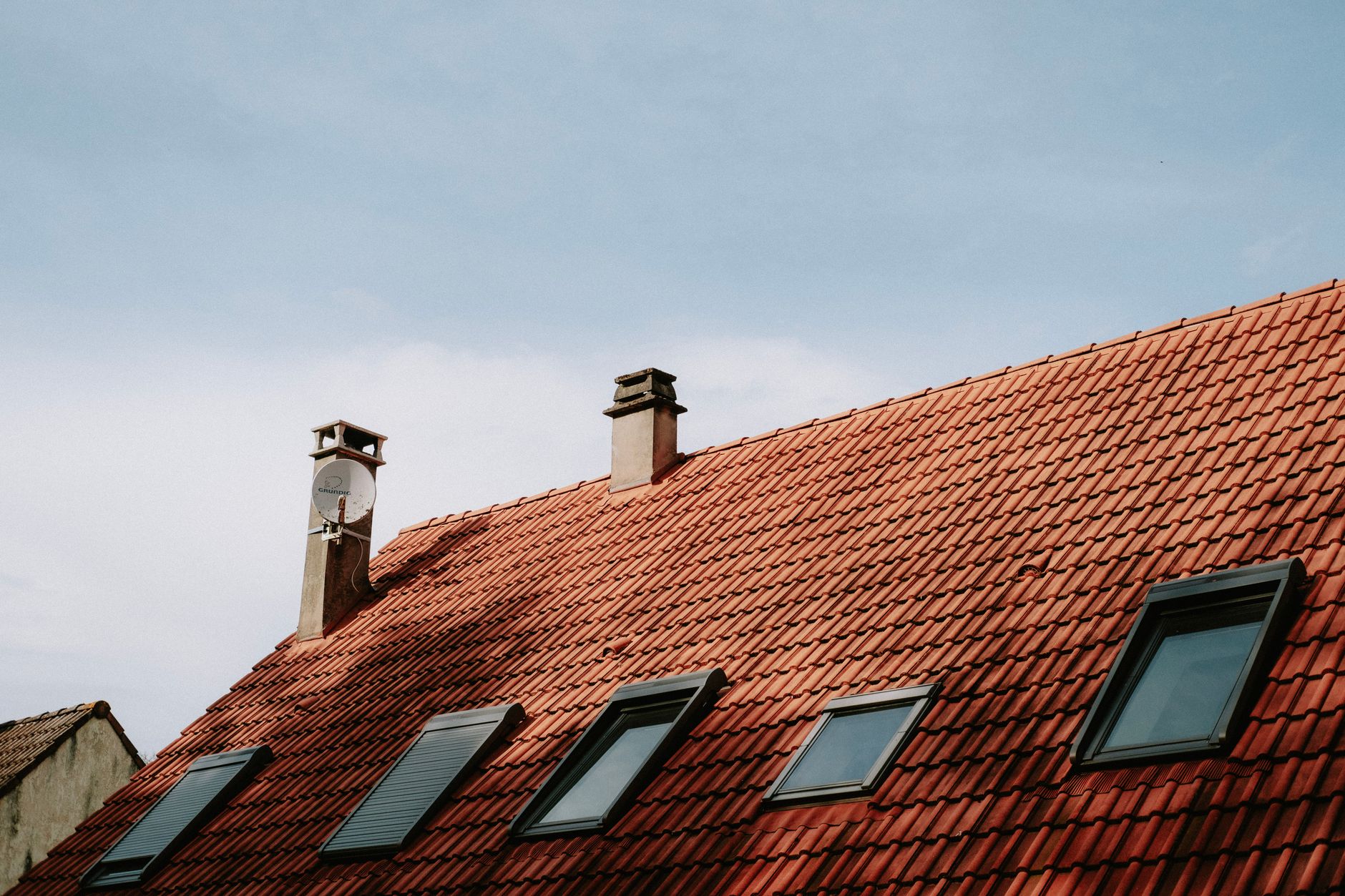
A failed inspection, turned into a three-stage plan
Turn a report into a plan
Tell us who wrote the inspection and roughly what it found. We confirm the findings on site and send a staged plan with a price for each line.
A sample plan in three stages
Here is how a typical plan reads for a brick chimney on a 1950s house in Downey after a Level 2 found six items. The stages are ours, not a code category. They put the items that make the fireplace unsafe to use at the top and the items that only cost more if ignored at the bottom.
Each stage stands on its own. A homeowner can finish stage one, use the fireplace again, and book the rest when the budget allows. Nothing in a later stage makes an earlier fix wasted.
- Stage one, before the next fire: cracked flue tiles that let smoke and heat reach framing, a damper that will not open fully, a gas fireplace burning dirty
- Stage two, before the rains: a missing cap, a leak at the roofline, an open crack in the crown
- Stage three, planned: worn flashing, spalled brick above the roof, a switch to a sealed gas unit
What failing a Level 2 actually means
There is no official pass mark for a house chimney. When a report says the chimney failed, it means the inspector found conditions that fall short of NFPA 211, which inspectors across the country work from, or of the maker's instructions for a factory-built unit. Some of those conditions are dangerous today. Others are wear that will become a problem.
We go through the report with you, confirm each finding on site with our own photos, and place it in a stage. If another company wrote the report, we say plainly where we see it differently.
Stage one: anything that puts smoke or gas indoors
Smoke in the room means carbon monoxide in the room, and a gas fireplace can produce it with no smoke at all. So stage one covers the flue liner, the damper, the smoke chamber and any gas appliance fault. A cracked liner usually means relining. A damper that rusted in place can be replaced at the throat or swapped for a top-sealing damper at the crown. A gas unit that soots its glass needs its burner and venting set right.
These jobs have no fixed price on this site because the size and access change from house to house. Each is quoted in writing from the photos, line by line.
Stages two and three: water, wind and planned upgrades
Water is the slow damage. A missing cap lets rain run straight down the flue, and a leak at the roofline stains the ceiling and rots the framing beside the chimney. Wind is part of the same stage, because a cap also stops downdraft on gusty days. Leak repair has a published price below. The cap is quoted after we measure.
Stage three holds what can be planned: new flashing with a diverter on the uphill side of a wide chimney, brick repair above the roof, or retiring a wood fireplace that never drew well in favor of a sealed gas unit. Some owners pick this stage up years later, and that is fine.
Prices for the usual fixes
Fixes that are much the same job on most houses have a published range. The range moves with the chimney's size, its flue count and how hard the roof is to work on. A cap gets its price only after we have measured it.
- Camera inspection that sets the plan
- $405
- Finding and stopping a roofline leak
- $580 to $3,500
- Water diverter on the uphill side of the stack
- $465 to $1,050
- Diverter built together with fresh step and counter flashing
- $700 to $1,750
- Sealed gas unit set into the old firebox
- $2,900 to $5,800
- Cap with spark screen, fitted to the flue
- Quoted after we measure
Liner, crown, damper, chase cover and flashing work on its own have no published price. Each is quoted in writing from the inspection photos before any work starts.
Questions about staged repairs
Can I use the fireplace between stages?
Once stage one is done, yes. Stage one exists so that the fireplace is safe to light while the rest waits.
Will the price of a later stage go up if I wait?
Our published prices can change over time, and a leak left through a wet winter can grow into a bigger job. The plan says which items get worse with time and which only wear slowly.
Another company inspected the chimney. Do I need a new inspection?
Not always. We confirm each finding on site before quoting. If the earlier report had no camera pages, we may recommend a Level 2 so the stage one items are priced on what the flue really looks like.
Is replacing a smoky wood fireplace with gas a fix or an upgrade?
It can be either. If the firebox is too large for its flue and the draw cannot be fixed at a sensible cost, a sealed gas unit solves the smoke for good. If the fireplace draws well once repaired, it is an upgrade you can leave for later.
Do you photograph finished work?
Yes. Each finished line gets an after photo from the original angle, and the plan is updated to show it closed.
Bring the report, leave with a plan
Use the contact page to tell us what the inspection found. We confirm it at your house in Downey or nearby and send a staged plan with a price on every line.
Call (562) 449-0371